
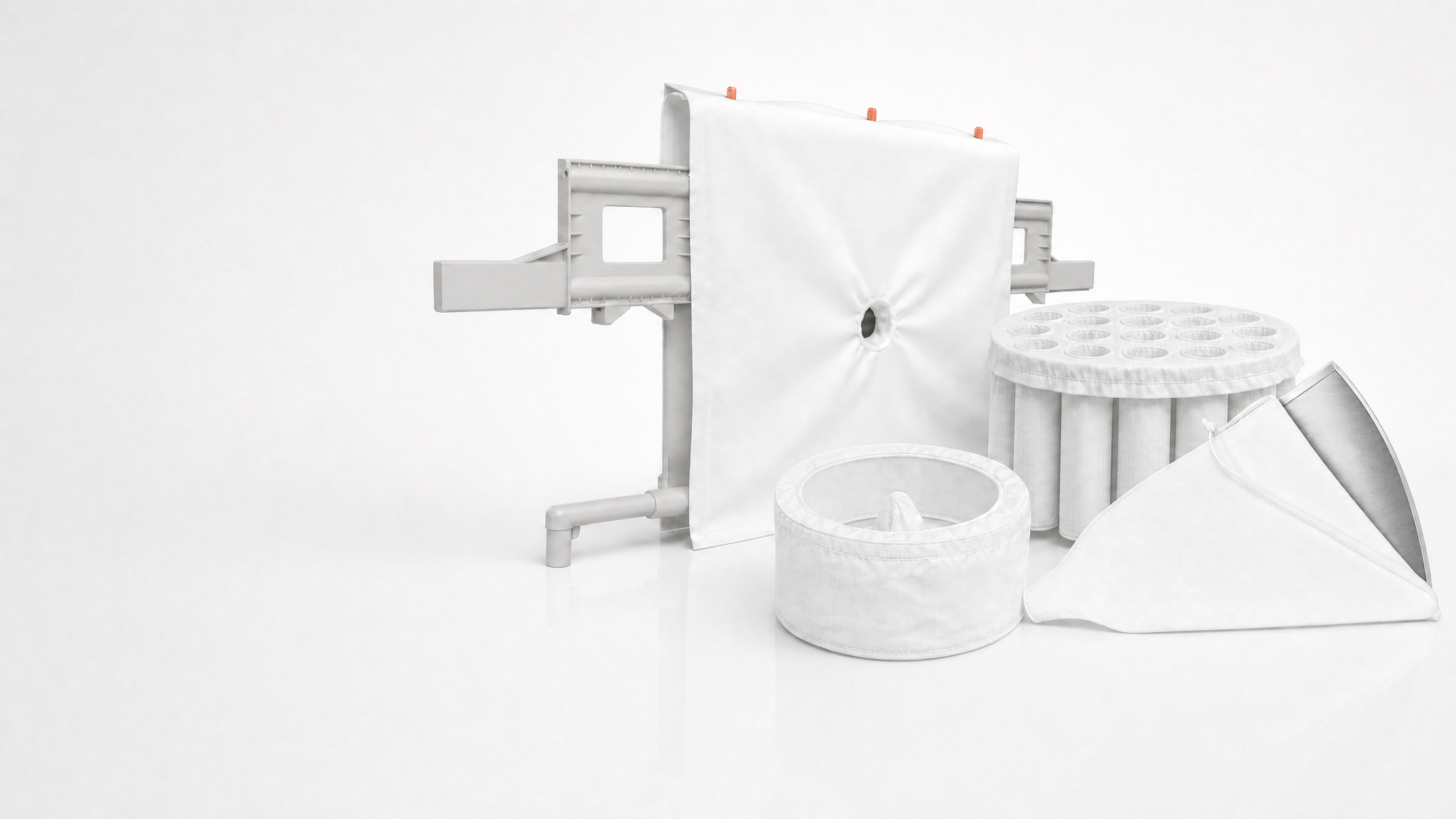
Sparkler filter pads and fabrics work hard in every cycle, so performance depends on how well you maintain them between changeouts. If you run a sparkler filter in chemical, pharma, or fine-process production, the right cleaning routine and replacement timing can protect throughput, filtrate clarity, and operator time.
In this guide, we’ll cover when sparkler filter fabrics are due for replacement, how to measure the right pad size, and which material options make sense for different process conditions. You’ll also find practical links to the sparkler filter machine page and the RF-SP Series sparkler filter fabrics for the next maintenance step.
🔑 Key Takeaways
- Replace sparkler filter fabrics when cleaning no longer restores flow or clarity.
- Match fabric material to temperature, chemistry, and cake-release behavior.
- Measure pad diameter, thickness, and fixing style before ordering replacements.
- Use a structured inspection routine to avoid leakage, clogging, and downtime.
⚙️ When Sparkler Filter Fabrics Need Replacement
As an operator, you usually notice worn sparkler pads long before a complete failure. The warning signs are easy to spot: slower filtration, rising differential pressure, inconsistent cake formation, or more solids breaking through into the filtrate.
For a sparkler unit handling difficult products, it is worth checking the fabric condition alongside other common issues such as filter cloth clogging and drip leakage. If the pad surface stays blinded even after a proper cleaning cycle, replacement is often the most economical choice.
Typical replacement triggers
- Persistent blinding after washing or backflushing
- Visible wear, deformation, or seam damage
- Repeated leakage around the pad edge or fixing point
- Longer cycle times for the same throughput
- Frequent cleaning with only short-lived recovery
⚠️ Caution: Do not keep running a sparkler filter with a damaged pad just to finish a batch. Once the fabric loses integrity, you risk contamination, product loss, and avoidable cleaning work downstream.
🔬 Material Options for Sparkler Pads and Fabrics
The right material depends on what your process puts on the fabric every day: solvent exposure, product stickiness, temperature, and whether you need fast cake release. For operators in chemical processing or pharmaceutical production, material compatibility matters as much as pore retention.
If you are comparing sparkler fabrics with other technologies, the same thinking applies to RF-CF Series centrifuge fabrics or RF-NF Series needle felt media: choose the fabric to match the process, not the other way around.
Rule of thumb: If the cake is sticking and cleaning no longer restores performance, a better fabric finish usually pays back faster than repeated wash attempts.
Common selection factors
- Chemical resistance: Match the fabric to acids, alkalis, solvents, or cleaners.
- Temperature: Confirm the fabric can handle process and cleaning temperatures.
- Cake release: Smoother surfaces often help when product tends to stick.
- Retention level: Finer retention can improve clarity but may reduce flow.
💡 Tip: If you are unsure about media selection, use the Solution Finder to find and configure the right filter fabric online. It lets you choose your machine and receive a pre-filled, non-binding inquiry with the key specification data.
📏 How to Measure Sparkler Filter Pads Correctly
Most replacement mistakes happen at the sizing stage. Before ordering, record the pad diameter, center-hole position if applicable, thickness, and any sealing or fastening details. On a sparkler filter, even a small mismatch can lead to edge bypass, leakage, or difficult installation.
Check the full filtration area, not just the visible plate diameter.
Confirm how the pad is secured: edge fit, center opening, or clamping design.
Make sure the replacement fabric matches the sealing depth of your frame or plate.
| What to check | Why it matters | Operator risk if ignored |
|---|---|---|
| Diameter / active area | Ensures full coverage of the filter surface | Bypass, leakage, reduced yield |
| Thickness | Helps the pad seal and sit correctly | Poor fit, wrinkling, premature wear |
| Material compatibility | Protects against chemical attack and swelling | Short service life, contamination |
| Fixing method | Keeps the pad stable during operation | Movement, edge damage, downtime |
🛠️ Maintenance Routine That Extends Service Life
A good cleaning routine can significantly delay replacement, especially if your process has sticky solids or fine particles. In many plants, the best results come from a consistent wash sequence rather than aggressive cleaning that damages the media.
📋 Pre-shutdown inspection checklist
- Check filtrate clarity and record any breakthrough
- Look for edge wear, tearing, or distortion
- Inspect the sealing zone for residue buildup
- Review cleaning effectiveness from the last cycle
- Confirm whether pressure or cycle time has changed
Remove product residues before they dry and harden in the fabric.
Avoid cleaners that attack the fiber or finish.
Check the fabric after cleaning so hidden damage does not go unnoticed.
If your plant also runs other units, keep the same discipline across assets like pressure leaf filters and Nutsche filters. A standardized inspection routine makes it easier to spot early wear across the whole separation line.
💡 Tip: Shorten the cleaning interval if your product dries quickly. A few extra minutes after shutdown can save hours of fouling later.
✅ Replacement Planning and Spare Parts Strategy
Replacement is easier when you keep a simple record of operating hours, cleaning frequency, and any process changes. That data helps you predict when the next sparkler fabric changeout should happen instead of waiting for quality complaints or an unplanned stop.
Rule of thumb: Replace sparkler fabrics during planned maintenance, not after breakthrough becomes visible in product quality.
For operators looking at broader plant standardization, it often helps to compare the sparkler setup with other media families such as RF-BF Series belt filter fabrics or RF-FF Series filter press fabrics. The same maintenance logic applies: fit, compatibility, and release behavior drive uptime.
📩 Need Help Choosing the Right Fabric?
Our technical team at R+F FilterElements can help you find the perfect filter fabric for your specific application. Get in touch for a free consultation — we will recommend the right solution based on your machine, process, and operating conditions.
Prefer a faster first step? Use our Solution Finder to find and configure the right filter fabric online, then send us your machine details and operating parameters for a pre-filled, non-binding inquiry.