
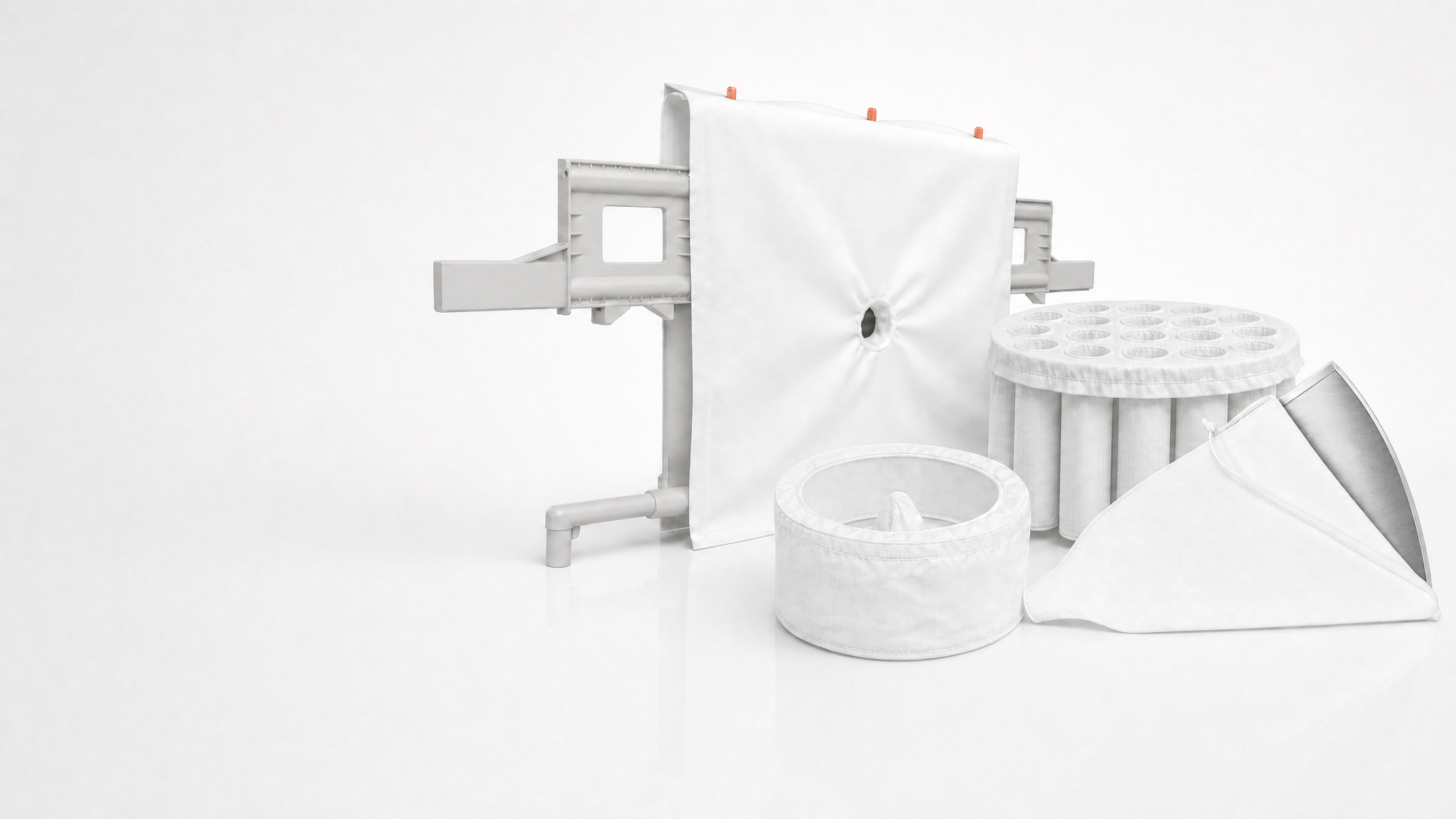
In pharma and food production, batch traceability is not just a paperwork exercise — it is part of daily GMP discipline. When a filter cloth, dryer screen, or Nutsche filter medium sits between your product and the next process step, you need to know exactly which lot was installed, when it was used, and what it was made from.
That is why R+F FilterElements supplies lot-traceable filter fabrics for regulated plants, with documentation support that helps operators, QA teams, and maintenance stay audit-ready. For Nutsche applications, the RF-ANF Series Nutsche Pharma filter fabrics are designed with traceability and clean processing in mind.
🔑 Key Takeaways
- Batch traceability links every installed filter fabric to a defined production lot.
- In pharma and food, traceable media support GMP, HACCP, and audit readiness.
- R+F provides lot-based documentation for filter fabrics used in Nutsche filters and related machines.
- Good traceability also speeds up root-cause analysis when you face clogging, contamination, or short service life.
🏭 Why Batch Traceability Matters at the Plant Floor
When you run a Nutsche filter, your process window can be tight: product purity, cake formation, and wash efficiency all depend on the condition of the filter medium. If a quality issue shows up later, you need a clear answer to one question: which exact fabric lot was in service?
For operators, traceability is practical. It helps you:
- confirm the correct media is installed before startup,
- match replacement parts to validated process conditions,
- document changes for QA and production sign-off,
- investigate contamination or performance drift faster.
⚠️ Caution: In regulated production, undocumented media changes can create serious deviation findings. Even a “small” fabric swap may require review if it affects product contact, filtration performance, or cleanability.
🔬 What Lot-Traceable Filter Media Should Include
A compliant-looking product name is not enough. What matters is the ability to connect the installed filter fabric to a specific manufacturing lot and related quality records. That traceability should be easy to verify by maintenance and understandable for QA.
| Traceability item | Why it matters | Operator benefit |
|---|---|---|
| Lot number | Identifies the exact production batch | Supports root-cause analysis and recalls |
| Material specification | Confirms media type and intended use | Helps match fabric to product and process |
| Dimensions / configuration | Ensures the right fit for the machine | Reduces installation errors and downtime |
| Documentation pack | Supports internal audits and validation | Speeds up release and change control |
Rule of thumb: If you cannot trace a filter fabric from receiving to installation, treat it as a documentation gap — not just a spare part issue.
Lot traceability in day-to-day operations
In the plant, the best system is the one people actually use. That means each replacement filter medium should be labeled, logged, and linked to the machine tag and batch record. For sensitive applications in pharmaceutical processing and chemical processing, this is especially important when you run repeated campaigns with different products.
📋 Receiving and installation checklist
- Verify lot number against purchase order and specification
- Check dimensions and seam/edge details before installation
- Record machine ID and installation date
- Store certificate or traceability documents with batch files
- Confirm the medium matches the validated process step
🛠️ How R+F Supports Traceability in Nutsche Applications
R+F FilterElements supplies engineered filter fabrics for plants that need reliable documentation as much as mechanical performance. For Nutsche systems, the RF-ANF Series is built for pharmaceutical-style handling where product contact quality, reproducibility, and traceability matter together.
Depending on your plant, traceability requirements may also extend to other equipment. For example, filter press machines often use replacement media in validated production areas, while fluid bed dryers require consistent, documented fabrics to maintain product handling quality. In both cases, the same logic applies: know the lot, know the fit, know the history.
💡 Tip: Keep the fabric lot number in your maintenance log and your batch record. If QA asks for the media history six months later, you will have one clean trail instead of digging through old packing slips.
📊 Choosing the Right Traceability Level
Not every plant needs the same depth of documentation. A food producer running scheduled production may only need standard lot traceability, while a sterile or highly regulated pharma process may require tighter internal controls and more complete records.
For plants in food processing and pharmaceutical applications, the right level of documentation often depends on how critical the filtration step is. If the medium is product-contact and influences purity, consistency, or drying behavior, treat traceability as part of process control — not an optional extra.
✅ Practical Benefits for Operators and QA
Batch traceability does more than satisfy auditors. It can reduce downtime, shorten investigations, and make spare-part planning easier. When a fabric is tied to a known lot and machine position, your team can make faster decisions about whether to clean, replace, or escalate.
Match the fabric label to the production and maintenance record.
Check whether the issue began after a campaign change, clean-in-place cycle, or media replacement.
Replace, revalidate, or keep running based on documented performance and risk.
If you are troubleshooting issues such as filter cloth clogging or short filter lifespan, traceability helps separate a material issue from a process issue. That is especially useful in high-value campaigns where every hour of downtime matters.
⚠️ Caution: Do not assume two fabrics with the same nominal specification behave identically. Different lots, finishing steps, or seam details can affect release behavior, cleaning frequency, and service life.
📩 Need Help Choosing the Right Fabric?
Our technical team at R+F FilterElements can help you find the perfect filter fabric for your specific application. Get in touch for a free consultation — we will recommend the right solution based on your machine, process, and operating conditions.