
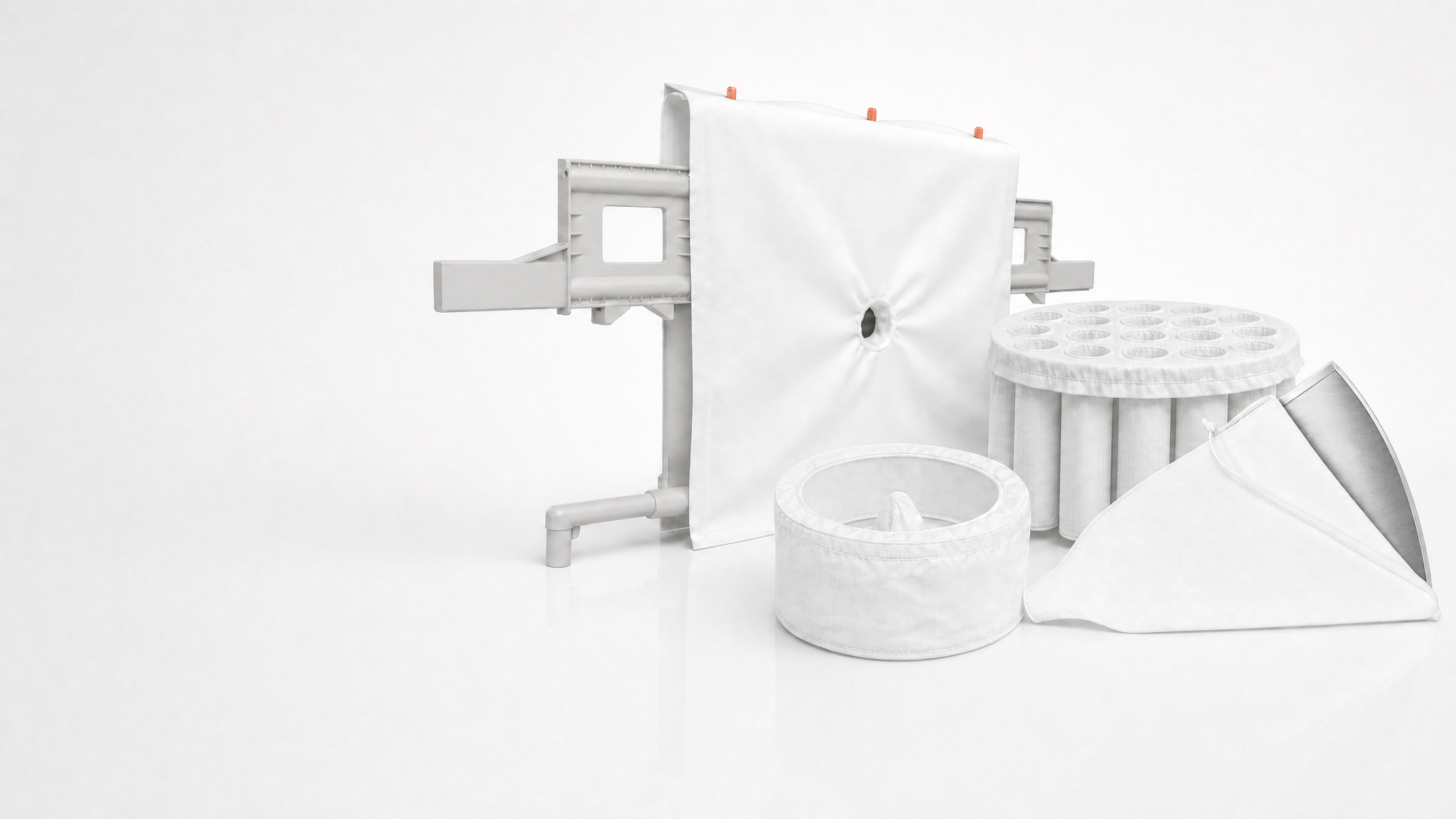
In a GMP environment, the filter fabric is not just a consumable — it is a controlled process component that can influence product purity, batch consistency, and audit readiness. For Nutsche filter operations, the right fabric helps operators stay aligned with FDA 21 CFR expectations and EU GMP requirements without turning every batch into a documentation chase.
If you run a pharma isolation, filtration, or drying step, you already know the pressure: stable cake release, low extractables risk, traceable materials, and clean change control. That is exactly where a purpose-built solution like the RF-ANF Series Nutsche Pharma filter fabric becomes more than a wear part — it becomes part of your compliance strategy.
🔑 Key Takeaways
- GMP-compliant filter fabrics need traceable materials, controlled manufacturing, and complete documentation.
- For pharma, the fabric must support cleanability, batch integrity, and predictable cake release.
- Operators should verify material certificates, lot traceability, and change-control impact before installation.
- The right fabric specification can reduce contamination risk, minimize downtime, and simplify audits.
🏭 What GMP Means for Filter Fabrics in Pharma
Under FDA 21 CFR and EU GMP principles, the fabric in your Nutsche filter should be treated as a documented process contact component. That means you need to know what it is made of, where it came from, how it was produced, and whether any changes could affect your product or process.
In practice, operators should expect more than a standard datasheet. You need material certification, defined manufacturing batches, and a clear link between the delivered fabric and the approved specification used in production. For high-value APIs and intermediates, this is often just as important as filtration efficiency itself.
⚠️ Caution: Never assume a fabric is GMP-suitable because it “works” mechanically. If the material, stitching, finishing, or documentation is not controlled, it can create audit findings or batch risk.
Common GMP expectations at operator level
- Traceability: batch or lot number linked to the delivered fabric.
- Documentation: certificate of conformity, material data, and process-relevant declarations.
- Change control: notification if raw material, construction, or finishing changes.
- Consistency: repeatable pore structure, dimensions, and seam quality.
🔬 Documentation and Traceability: What to Ask For
When you qualify a fabric for a Nutsche filter, ask for the documentation package before you ask for price. A compliant supply chain should be able to provide a clear paper trail from raw material to finished fabric.
📋 GMP Documentation Checklist
- Certificate of Conformity or Certificate of Analysis, where applicable
- Material specification and polymer/fiber identification
- Batch or lot number on the delivered item and paperwork
- Statement of manufacturing consistency or controlled production
- Declaration of any finishing treatments or surface modifications
- Change notification process for future supply
For operators, the key question is simple: Can I prove this fabric is the same approved component used in the validated process? If the answer is unclear, the risk is not only technical — it is regulatory.
💡 Tip: Keep the fabric specification in the same controlled system as other critical process parts. That makes reordering, deviation handling, and audit response much easier.
If your process also uses other filtration equipment, the same discipline applies. For example, our RF-FF Series filter press fabrics and RF-CF Series centrifuge fabrics are also specified with traceability and process relevance in mind.
🧪 Material Selection for Nutsche Filtration
Not every fabric that performs well in a chemical plant will be suitable for pharma service. In a Nutsche filter, you need a fabric that balances retention, permeability, cleanability, and mechanical stability under wet and dry cycle conditions.
| Selection Factor | Why It Matters in GMP Pharma | Operator Focus |
|---|---|---|
| Fiber/material type | Affects compatibility, cleanliness, and extractables risk | Match to product and cleaning chemistry |
| Seam/stitch quality | Can influence particle escape and contamination risk | Inspect for robust, controlled construction |
| Permeability | Impacts filtration time and washing efficiency | Avoid over-specifying open area if fines retention is critical |
| Cleanability | Supports hygienic operation between batches | Check residue release and wash-down behavior |
| Dimensional stability | Supports repeatable fit and seal performance | Prevent leaks, bypass, and premature wear |
The RF-ANF Series Nutsche Pharma fabric is designed for operators who need a controlled solution for this exact balance. If you are comparing alternatives for other machine types, you can also review our Nutsche filter machine overview and the broader pharmaceutical application guidance.
🛠️ Installation, Cleaning, and Changeover Discipline
Even a compliant fabric can fail in real production if handling is sloppy. Poor installation, uncontrolled cleaning, or rough changeover practices can damage the fabric and undermine validated performance.
Check the lot number, dimensions, and documentation against the approved specification.
Ensure even tension, clean sealing surfaces, and no sharp edges that can damage the fabric.
Use approved cleaning parameters so the fabric is not degraded or contaminated between batches.
Record replacement date, lot number, and any observed issues for future deviation review.
Rule of thumb: If a fabric replacement changes filtration time, cake release, or residue quality, treat it like a controlled process change — not just maintenance.
For similar operator challenges in other systems, see our pages on cake release problems and filter cloth clogging. The same mindset applies when you run a filter press, belt filter, or centrifuge in regulated service.
✅ Audit Readiness and Risk Reduction
During audits, operators are often asked to show that critical consumables are controlled. That includes the fabric specification, replacement history, and any deviation handling tied to performance changes.
Strong GMP control helps reduce common risks such as contamination, stitching failure, unexpected leakage, and shortened service life. If you have ever dealt with leaks or residue breakthrough, those issues are not just operational annoyances — they can become quality events.
💡 Tip: If your plant uses one approved fabric specification per product family, audits become much simpler because deviations are easier to compare and justify.
For facilities working across multiple unit operations, a consistent fabric strategy can also support other regulated applications, including pharmaceutical processing and adjacent controlled environments. If antistatic control is part of your risk assessment, review antistatic and ATEX considerations as well.
📩 Need Help Choosing the Right Fabric?
Our technical team at R+F FilterElements can help you find the perfect filter fabric for your specific application. Get in touch for a free consultation — we will recommend the right solution based on your machine, process, and operating conditions.