
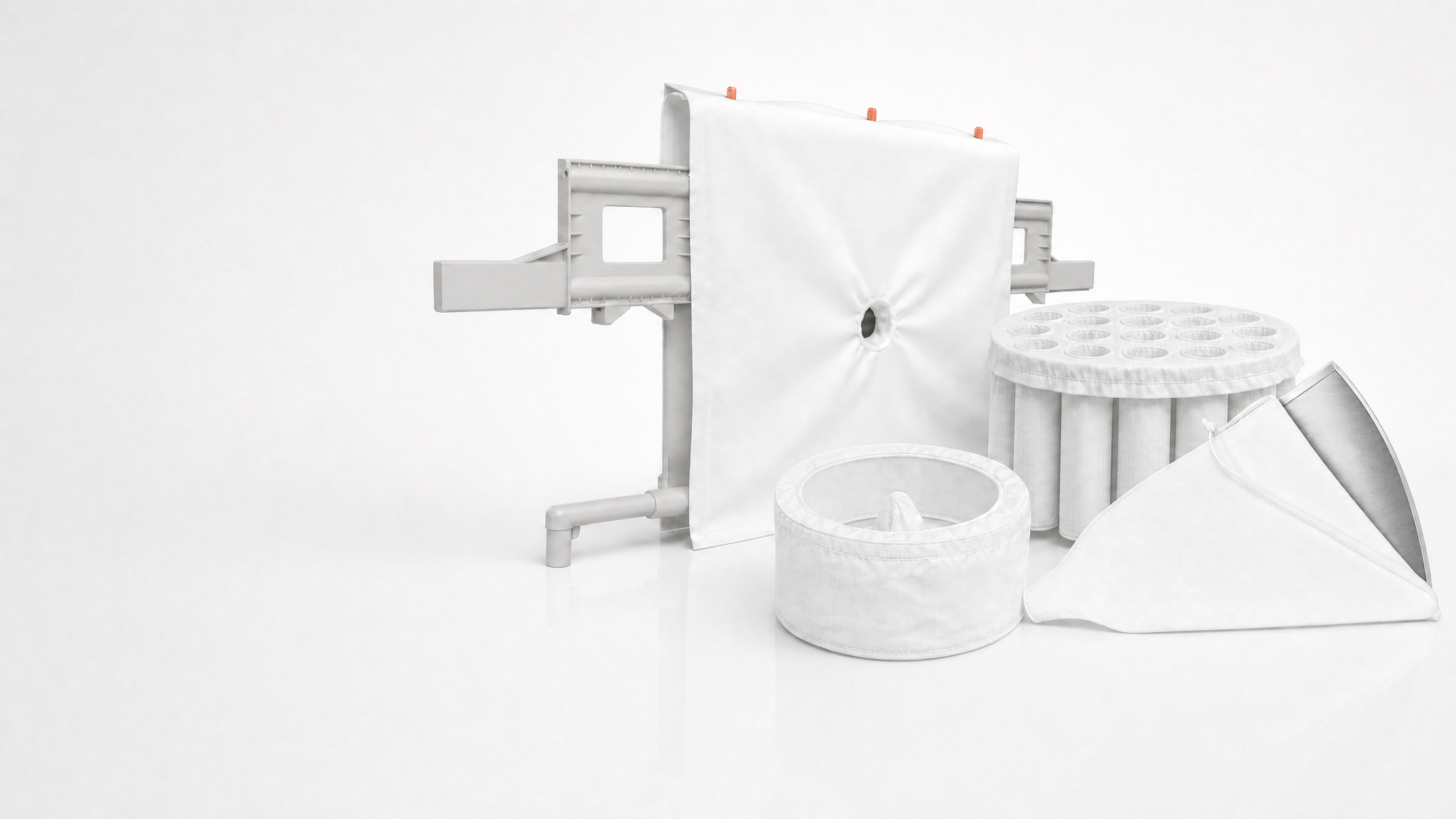
When a filter press is running a demanding slurry, a worn or poorly matched cloth can quickly turn into lost throughput, wetter cakes, or frequent washdowns. If you operate an MSE or Outotec press, RF-FF compatible cloths can be a practical replacement option when you need a reliable fit and consistent separation performance.
In day-to-day operation, the real question is not just “Will it fit?” but “Will it seal, drain, release cake, and last in my process?” That is where engineered replacement fabrics make the difference.
🔑 Key Takeaways
- RF-FF cloths are designed as compatible replacements for MSE / Outotec filter presses.
- Correct fit, sealing, and seam quality are just as important as the fabric material itself.
- Better cloth quality helps reduce cake-release issues, drip leakage, and unplanned downtime.
- Always verify the press model, cloth dimensions, fastening style, and process conditions before ordering.
⚙️ What “Compatible” Means on an MSE / Outotec Press
For an operator, compatibility starts with the basics: the cloth must match the filter plate geometry, the sealing points, and the fastening method used on your press. If one of those is off, you may see bypass, edge leakage, or uneven cake build-up even if the fabric itself is technically suitable.
RF-FF compatible cloths are made to support the same kind of operating demands you expect from a production filter press: repeatable installation, stable filtration, and predictable cake release. For plants with changing feed solids or tighter product specs, that repeatability matters as much as initial filtration rate. If your process is already struggling, it is worth reviewing related issues such as filter cloth clogging or cake release problems.
💡 Tip: Keep one used cloth as a master pattern. It helps your supplier confirm hole positions, edge details, and fastening style before production.
🔬 The Cloth Details That Decide Performance
On the floor, two cloths can look similar and still behave very differently in service. The differences usually come down to weave structure, yarn type, permeability, and how carefully the edges and seams are finished.
| What to check | What a good RF-FF compatible cloth should deliver | Why it matters to the operator |
|---|---|---|
| Dimensional fit | Correct plate outline, hole positions, and fastening details | Reduces leak points and installation rework |
| Permeability | Matched to your slurry and cycle target | Helps balance throughput with filtrate clarity |
| Seam and edge quality | Reinforced, cleanly sewn, and stable under pressure | Improves cloth life and helps prevent premature failure |
| Surface behavior | Fabric structure suited to release and washing | Supports faster cake discharge and fewer carryover issues |
| Chemical / thermal resistance | Selected for your process chemistry and temperature | Protects against shrinking, embrittlement, or loss of strength |
⚠️ Caution: Never install a new cloth without checking pressure limits, chemical compatibility, and safe isolation of the press. A wrong assumption here can lead to leaks, contamination, or equipment damage.
If your plant is seeing short service life, review the root causes before blaming the press. In many cases, premature wear is linked to solids abrasiveness, cloth blinding, aggressive wash cycles, or simple mismatch with the process. See also short filter lifespan and drip leakage.
🛠️ How to Replace the Cloth Without Unplanned Delays
Depressurize, lock out the unit, and make sure the plates are safe to handle before starting work.
Check where the old cloth failed: edge wear, seam damage, blinding, or drip marks often tell you what to improve next.
Verify dimensions, hole pattern, fastening style, and fabric specification against your plate and process data.
Run the first cycles with close observation of sealing, filtrate clarity, and cake release before returning to full production.
📋 Pre-Order Checklist for MSE / Outotec Replacement Cloths
- Press model and plate size
- Cloth fastening style and hole pattern
- Process temperature and chemical exposure
- Solids type, particle size, and abrasiveness
- Target cake dryness and cycle time
- Any recurring issues: clogging, leakage, or poor release
💡 Tip: If the old cloth was performing well, use it as a reference sample. Small changes in seam placement or edge finish can have a big impact on sealing and service life.
📊 What You Should Expect from a Quality Replacement
A good replacement cloth should not force you to redesign the process. It should slot into your existing operating routine and help you keep the press productive. That means fewer interruptions, more predictable cake formation, and less time spent cleaning up around the plate pack.
- Stable installation: The cloth hangs and seals properly on the first fit.
- Consistent separation: Filtrate quality stays within your normal operating window.
- Better release: Cakes discharge more cleanly, especially after wash or blowback steps.
- Lower maintenance burden: You spend less time correcting leaks, bypass, and premature wear.
That is the practical value of a well-made compatible alternative: it lets the press behave like a production asset again, not a troubleshooting project. If your operation also includes other solid-liquid separation equipment, you can explore our broader machine range at filter press solutions and see how fabrics are matched to different applications such as mining.
✅ Practical Rule for Ordering the Right Cloth
Rule of thumb: If the old cloth was close to right but failed too early, improve the fabric specification; if the fit or sealing was wrong, confirm the geometry first.
For MSE and Outotec presses, that simple rule prevents a lot of wasted spend. A cloth can only perform well when the machine fit is correct and the fabric is designed for your slurry, temperature, and cake-release behavior.
📩 Need Help Choosing the Right Fabric?
Our technical team at R+F FilterElements can help you find the perfect filter fabric for your specific application. Get in touch for a free consultation — we will recommend the right solution based on your machine, process, and operating conditions.