
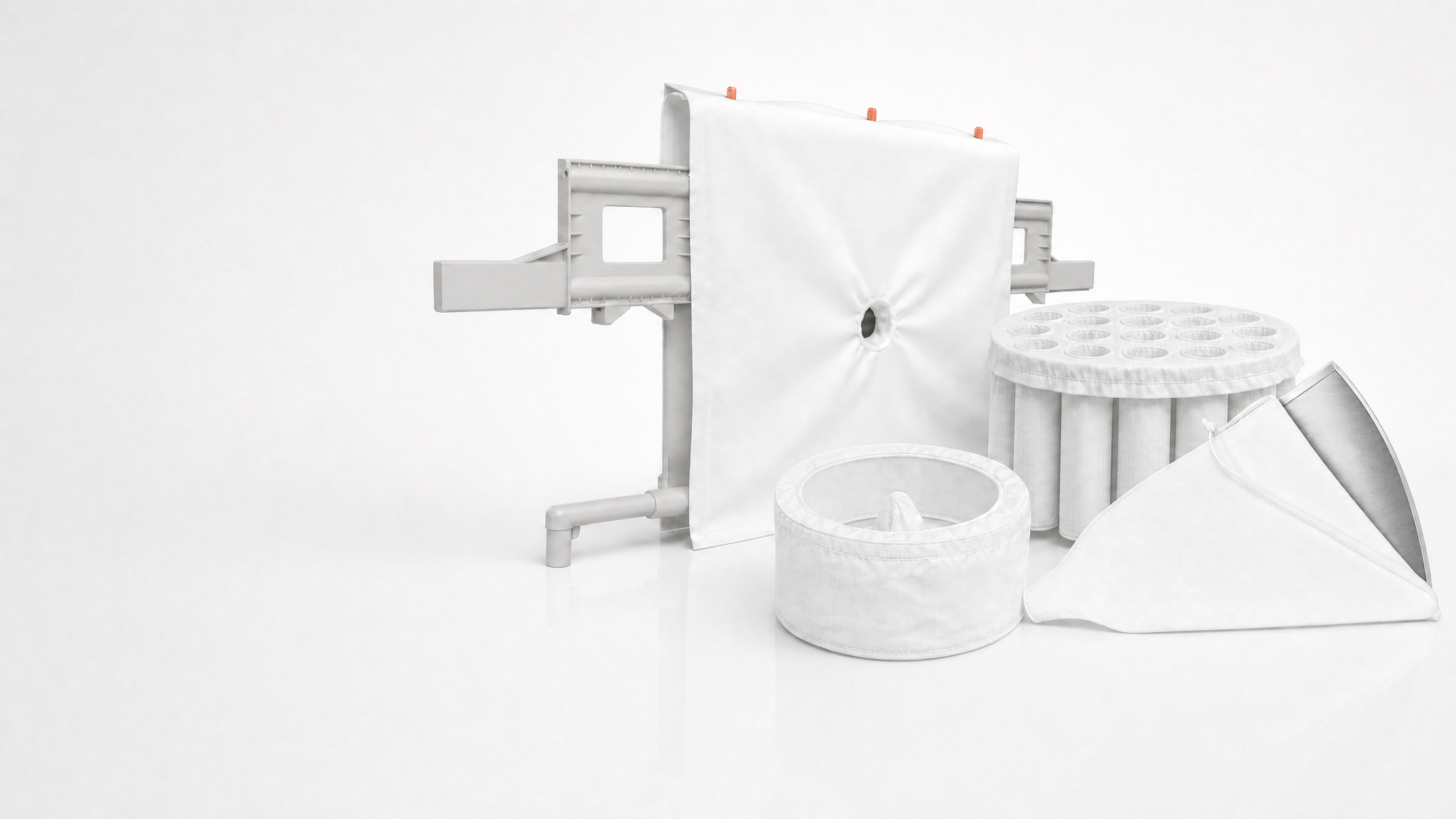
In pharmaceutical fluid bed processing, the fabric inside your dryer is more than a wear part — it is a controlled-contact component that can directly affect product quality, batch consistency, and audit readiness. If you run an FBD in a regulated plant, you need a fabric that supports FDA-compliant operation, documented material traceability, and predictable release behavior under repeated cleaning cycles.
🔑 Key Takeaways
- FDA and EU compliance for FBD fabrics starts with traceable raw materials and complete documentation.
- Migration testing, cleanability, and low extractables matter as much as mechanical strength.
- The right fabric can improve airflow, reduce sticking, and support faster, more stable drying cycles.
- Use a supplier that can match your fabric to the machine, product, and validation requirements.
🏭 What FDA-Compliant Means for a Fluid Bed Dryer Fabric
For an operator, “FDA-compliant” does not mean the fabric is automatically approved for every process. It means the material system, manufacturing controls, and documentation are suitable for use in pharmaceutical environments where product contact, cleanliness, and change control matter.
In practice, you should look for fabrics used on fluid bed dryer machines that are engineered for low contamination risk, stable pore structure, and reliable temperature resistance. For many plants, the same conversation also includes EU expectations, especially where suppliers need to support quality documentation for audits and internal validation.
Documentation you should expect
- Material declaration and batch traceability
- Statement of conformity for defined regulatory requirements
- Migration or extractables test data, where relevant
- Information on additives, finishes, and antistatic properties
- Cleaning and temperature limits for the fabric system
⚠️ Caution: A fabric can be technically suitable yet still fail your quality system if the supplier cannot provide stable documentation, clear material identification, and reproducible manufacturing records.
🔬 FDA and EU Requirements: What Operators Need to Verify
When you qualify fabrics for a pharmaceutical FBD, focus on three areas: material compliance, migration behavior, and cleanability. FDA expectations are often tied to suitable materials and controlled manufacturing, while EU requirements may additionally emphasize documented conformity and chemical safety evidence.
| Qualification Topic | Why It Matters in FBD Operation | What to Ask the Supplier |
|---|---|---|
| Material certification | Supports audit readiness and change control | Can you provide traceable declarations and batch records? |
| Migration testing | Reduces contamination risk in product contact areas | Which test methods and conditions were used? |
| Cleaning resistance | Maintains performance through repeated wash cycles | How does the fabric behave after cleaning and sterilization? |
| Thermal stability | Protects airflow and fabric integrity during drying | What is the maximum continuous operating temperature? |
If your process handles potent actives or sensitive formulations, the documentation package should be treated as seriously as the fabric selection itself. That is why many plants choose to configure your fluid bed dryer filter fabric online first, so the specification already reflects the right temperature, mesh, and compliance needs before the inquiry is sent.
Rule of thumb: If the material file is incomplete, the fabric is not ready for pharmaceutical service — even if the airflow performance looks good on paper.
🛠️ Material Selection for Pharma FBD Fabrics
For most pharmaceutical dryers, the operator is balancing product protection, process efficiency, and ease of validation. The best fabric is not simply the finest or strongest; it is the one that keeps airflow consistent while minimizing product carryover and sticking.
For pharmaceutical-grade filter fabrics designed specifically for this duty, the RF-FBD Series fluid bed dryer fabrics are built for controlled airflow, process stability, and documentation-friendly specification. If your plant also runs other solid-liquid or solid-gas separation systems, you may want to compare the fabric approach with related product families such as the RF-NF Series needle felt fabrics for dust-intensive duties or the RF-ANF Series Nutsche pharma fabrics for contained filtration steps.
📋 Practical Checks Before You Put the Fabric Into Service
Before startup, verify the fabric as carefully as any other product-contact component. A few minutes of inspection can save hours of downtime later, especially when you are trying to avoid contamination or uneven drying across the bed.
📋 Pre-Start Checklist for Pharmaceutical FBD Fabrics
- Confirm the fabric part number and revision match the approved specification
- Verify documentation for material origin, conformity, and test status
- Inspect seams, edges, and sealing zones for contamination or damage
- Check fitment and tension across the dryer support area
- Record installation date for traceability and replacement planning
💡 Tip: If you see recurring buildup at the fabric surface, review airflow distribution, cleaning method, and particle properties before assuming the fabric is the root cause. A compliant fabric still needs the right process window.
📊 Migration Testing, Cleanability, and Lifespan
Migration testing matters because it helps demonstrate that the fabric does not contribute unacceptable substances to the product stream. In pharmaceutical operations, that is especially important when the dryer fabric sees repeated exposure to heat, cleaning agents, and product residues.
Cleanability and service life are equally important. A fabric that cleans easily and returns to stable airflow will usually reduce unplanned shutdowns and simplify validation over time. If your issue is not regulatory but operational, you may also want to review related topics such as filter cloth clogging or short filter lifespan, because the symptoms in a dryer often show up as poor airflow, longer cycles, or product sticking.
Identify whether you need FDA support, EU documentation, or both, and document the product-contact status.
Ask for test conditions, certificates, and any limitations related to temperature or cleaning chemistry.
Verify fit, airflow, and release behavior in your specific fluid bed dryer before full production use.
⚠️ Caution: Do not mix approved fabric lots without documenting the change. In regulated production, even a small material or construction variation can trigger requalification.
✅ Choosing the Right Supplier for Regulated FBD Operation
The safest choice is a supplier that understands both the process and the regulatory environment. You need more than a fabric roll — you need a controlled solution that fits your dryer, supports your QA team, and behaves consistently in daily operation.
R+F FilterElements supports pharmaceutical users with engineered solutions for fluid bed drying through the RF-FBD Series fluid bed dryer fabrics and application guidance for pharmaceutical processing. If your process also includes other separator types, the same engineering approach can be extended across the plant, from dryers to filter presses and other machines.
For operators, the best outcome is simple: stable airflow, clean product release, and documentation that stands up during audits. If you can secure those three points, your fabric is doing its job.
📩 Need Help Choosing the Right Fabric?
Our technical team at R+F FilterElements can help you find the perfect filter fabric for your specific application. Get in touch for a free consultation — we will recommend the right solution based on your machine, process, and operating conditions.
Prefer to start with a specification draft? configure your fluid bed dryer filter fabric online and receive a pre-filled, non-binding inquiry in just a few steps.