
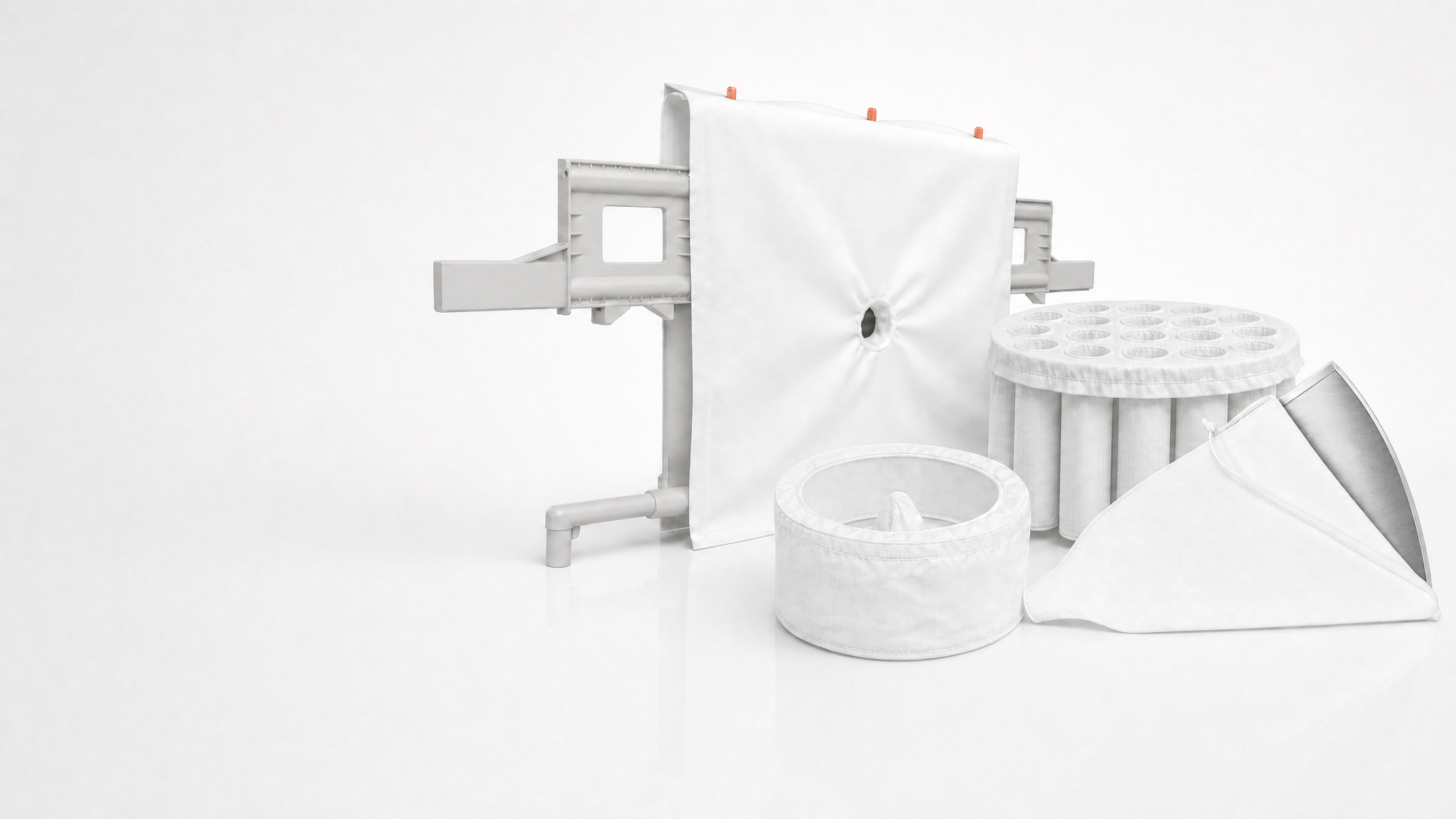
When you dewater abrasive mineral slurry on a belt filter, belt wear usually starts long before you see a tear. The real killers are sharp solids, poor tracking, excessive tension, and cleaning systems that are either too weak or too aggressive. If you run a mining or mineral sludge line, the fastest way to extend belt life is to match the fabric to the slurry and then keep the machine stable day after day.
🔑 Key Takeaways
- Choose abrasion-resistant belt fabrics built for mineral fines, sand, and hard crystals.
- Keep tension in the right range to avoid slip, edge grinding, and premature fatigue.
- Use cleaning and wash water correctly so solids do not turn into an abrasive layer on the belt.
- Inspect tracking, edges, and seams regularly to catch wear before it becomes an outage.
⚙️ Why Abrasive Slurry Applications Wear Belts So Fast
In mining and mineral sludge dewatering, the belt is not just carrying moisture; it is dragging a load of sharp particles across every support point, knife edge, and roller. That means wear often shows up first at the edges, at the drive side, or where cake discharge is uneven.
If your belt filter is working hard on tailings, ore fines, or flotation residue, start by reviewing the process conditions on your mining application page and comparing them with the design limits of your machine. A belt that works well on softer sludge can fail quickly in abrasive service.
⚠️ Caution: Do not keep running an abrasive belt with visible edge fraying or hot spots. Once the surface layer is damaged, solids work into the fabric and wear accelerates very quickly.
🛠️ Select a Belt Fabric That Can Take the Abuse
The belt itself is your first wear part, so choosing the right construction matters more than trying to “run it in” later. For heavy mineral duty, look for a fabric with a stable base structure, strong edge integrity, and a surface that releases cake without trapping grit.
For many abrasive slurry duties, the RF-BF Series belt filter fabrics are the most direct fit when you want a dependable belt for continuous dewatering. If you are looking for robust alternatives in broader solids handling, the RF-SB Series spiral belt fabrics can be a useful option where stability, drainage, and service life are priorities.
| Belt/Fabric Type | Wear Resistance | Cleaning Behavior | Best Fit |
|---|---|---|---|
| Standard woven belt | Moderate | Good if washing is consistent | Lower-abrasion sludge |
| Reinforced abrasion-resistant belt | High | Better under heavy wash cycles | Mining fines, mineral tailings |
| Spiral belt construction | High | Very stable drainage and release | Continuous service with demanding solids |
💡 Tip: When comparing fabrics, ask for the expected wear zone: edge wear, surface wear, or seam-related stress. The failure pattern tells you more than the headline specification.
📊 Get Belt Tension and Tracking Under Control
Too much tension does not make an abrasive belt “stronger”; it usually makes it more brittle in service. Too little tension allows slip, smearing, and belt wander, which pushes solids into the edges and support surfaces.
On a belt filter, tracking is just as important as tension. If the belt drifts, one edge becomes the “grinding edge” and wear accelerates fast. For machine-specific setup guidance, review your belt filter machine configuration and align the fabric choice with the drive and roller layout.
Rule of thumb: If you can hear the belt squeal, see edge dusting, or notice repeated side wandering, the problem is usually setup first and fabric second.
🔬 Clean the Belt Before Solids Become Sandpaper
Cleaning is not just about appearance. On abrasive slurry lines, leftover fines dry into a hard layer that acts like grinding paste on the next cycle. That is why wash water quality, nozzle placement, and discharge timing matter so much.
Wash the belt while residue is still loose. Waiting too long turns soft mud into abrasive scale.
Uneven spray leaves dirty lanes that keep cutting the same area of the belt every cycle.
Carryback increases drag, weakens release, and adds extra abrasion at return rollers.
📋 Daily Belt Wear Check
- Inspect both edges for fraying, glazing, or fiber pull-out.
- Check tracking at startup, mid-shift, and shutdown.
- Look for buildup at rollers, return points, and scraper edges.
- Confirm wash nozzles are not blocked or misaligned.
- Note any change in cake release or drive load.
If you are already dealing with reduced service life, it is worth reading our problem guides on short filter lifespan and filter cloth clogging. In abrasive service, clogging and wear often appear together.
✅ A Practical Maintenance Routine for Mining Operators
The best wear reduction strategy is boring in the best possible way: repeatable checks, consistent tension, and a clean belt path. That is how you keep the press, belt, or filter line stable without constant emergency belt changes.
Record slurry solids, particle hardness, and changes in feed consistency before blaming the belt.
Use an abrasion-resistant belt design for mineral fines and consider RF-SB Series spiral belt fabrics where service stability is critical.
Keep the belt centered and avoid over-tightening after every shutdown.
Remove grit, fines, and sticky carryback before the next cycle starts.
For operations that compare belt filter setups with other solid-liquid separation options, it can also help to review how a dedicated belt filter is configured against other machines in the line. The right fabric performs best when the machine and process are aligned.
💡 Tip: If your belt wears out fastest during startup or shutdown, focus on transition zones first. That is where tracking errors, partial cleaning, and uneven loading usually show up.
📩 Need Help Choosing the Right Fabric?
Our technical team at R+F FilterElements can help you find the perfect filter fabric for your specific application. Get in touch for a free consultation — we will recommend the right solution based on your machine, process, and operating conditions.