Dewatering electroplating sludge in a chamber filter press combines two demanding requirements: aggressive chemistry and a fine, often gelatinous solids system. Electroplating sludges typically arise from the neutralisation and precipitation of metal-bearing effluents and contain metal hydroxides that are slimy, compressible and hard to dewater. At the same time, residual pH, salt load and chemical residues can heavily stress the filter cloth. The cloth therefore has to be chemically resistant and still produce the driest possible cake – because cake weight drives disposal cost.
Why electroplating sludge is hard to dewater
Metal hydroxide sludges are gelatinous and highly compressible. Under pressure the fine particles pack tightly against the weave and form a poorly permeable layer that limits throughput and keeps residual moisture high. At the same time the fine hydroxide flocs tend to penetrate the pores and blind the cloth. Add the wrong material choice and the aggressive chemistry attacks the weave and shortens service life. Successful dewatering therefore means serving retention, drainage and chemical resistance at the same time.
The most common causes of trouble
- High residual moisture: the compressible cake releases little water under pressure. Fix: a fabric with good drainage plus a suitable conditioning/precipitation regime.
- Blinding by fine flocs: hydroxide fines penetrate the pores. Fix: match surface and pore size for retention with good cleanability.
- Chemical attack on the cloth: residual pH and chemicals damage the material. Fix: a chemically resistant fibre matched to pH and medium.
- Poor cake release: greasy sludge clings to the weave. Fix: a smooth cake-side surface.
We describe related failure patterns on our pages about filter cloth clogging and cake release.
Choosing the right filter cloth for electroplating sludge
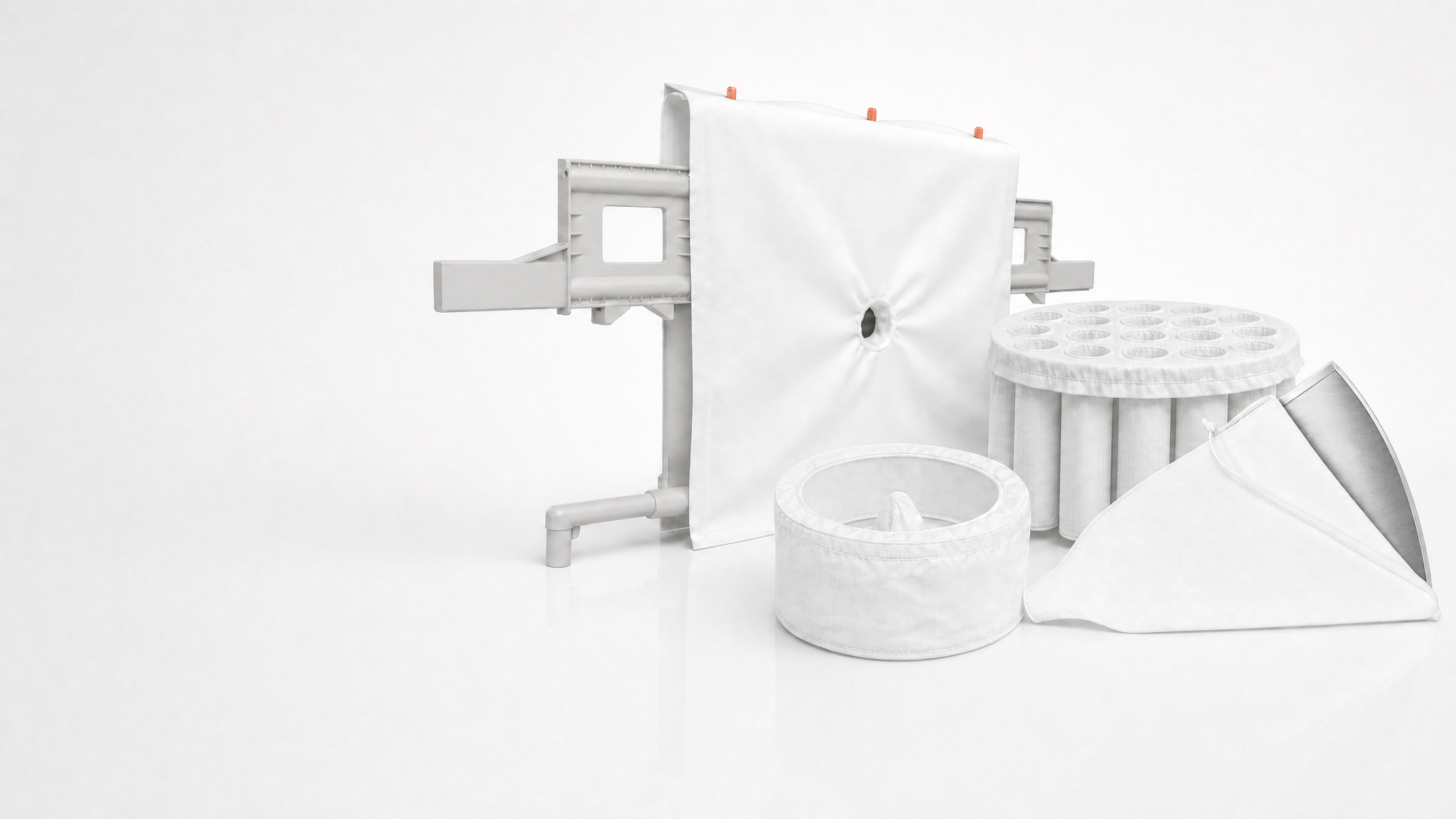
For gelatinous hydroxide sludges, a combination of reliable fine retention and good drainage is decisive. A defined cake-side surface holds back the fine flocs, while the weave construction supports water discharge. At the same time the fibre must withstand the chemical conditions over the long term. Our RF-FF Series for filter presses offers graded fabric qualities, material options and fabrication variants for exactly this.
Material: PP or a specialised polymer?
For electroplating sludges, chemical resistance comes first. PP offers broad resistance to many acids and alkalis and is therefore the obvious basis for numerous electroplating applications. For strongly oxidising media, extreme pH or higher temperatures, specialised polymers may be required. A reliable choice, however, presupposes knowledge of pH, temperature, salt load and any residual oxidants. We deliberately do not quote general resistance ratings without real process data.
Achieving a drier cake and cutting disposal cost
Because disposal is charged by weight, every percentage point of residual moisture matters. A drier cake results from the right combination of fabric drainage, a sufficiently long pressing phase, membrane pressure where available, and stable precipitation and conditioning control. The filter cloth is a central lever here, but only takes effect in interaction with the whole process. A sample trial with several fabric qualities quickly shows which construction delivers the best compromise of dryness, throughput and service life.
What we need to make a recommendation
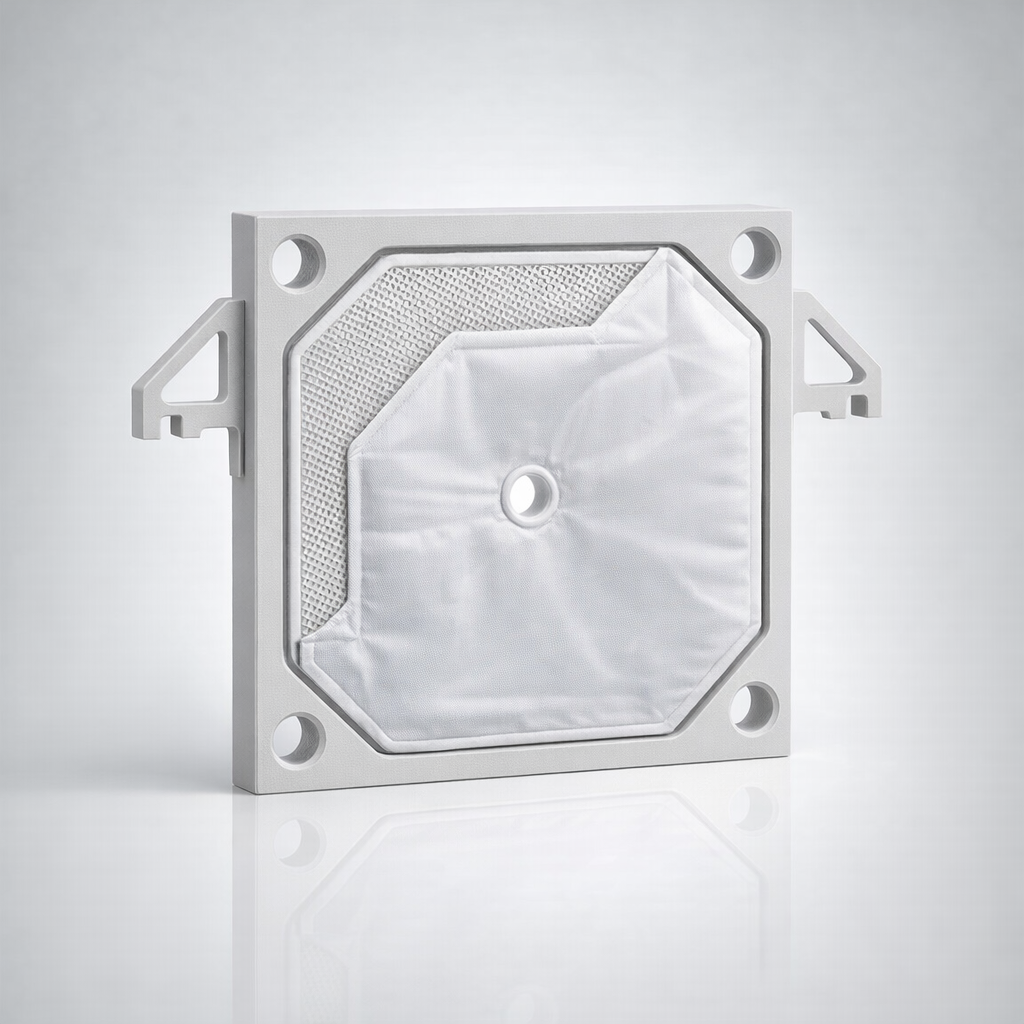
For a reliable recommendation we need the sludge composition (metal hydroxides, salt load), pH and temperature, the solids content and particle size, the precipitation/conditioning process, the press type with plate format and operating pressure (including membrane technology), the required residual moisture, and the currently used cloth with its failure pattern.
Conclusion
Dewatering electroplating sludge succeeds when fine retention, drainage and chemical resistance fit together. With the right combination of surface, pore size, material and process control, residual moisture and disposal cost can be reduced and service life secured. A structured starting point is our application page on electroplating sludge, the overview of the filter press and the filter press cloth configurator. We are happy to analyse your specific case – get in touch.